Tuesday, August 9, 2011

Zambezi, Moz, Dhows and Dunes, July 2011

Makuzi Beach- Lake Malawi

Zambezi, Moz, Dhows and Dunes, July 2011

We crossed the great Zambezi River for the fifth time today, this time via a magnificent modern bridge of 3.2km near Caia in Mozambique. Also this was the first crossing in a southerly direction signaling our route home. Previously we had encountered this incredible waterway at one of its tributaries, the Okavango River, on the Caprivi Strip in Namibia and the Chobe River at Kasane in Botswana, where we were mesmerized by huge herds of elephant frolicking at the waters edge in Chobe national park. At Victoria Falls we marveled at the majesty of these 1.7km wide and 108m high falls which we witnessed at full spate and crossed, by foot, the bridge into Zambia gawking at bungee jumpers screaming their dollars into the boiling pot below. Then again at ‘Lake’ Kariba, where the mighty river is dammed, and we took the ferry across to the huge wall bordering with Zambia. Finally at Mana Pools national park in Zimbabwe where we were awestruck by massive elephant crashing branches metres from us and caught fresh Tiger fish on a fly from calm water littered with wallowing hippo and sunning crocs. From there we had crossed moving north into Zambia. The Zambezi too somehow symbolizes our journey with its rushing rapids and crashing waterfalls, calm tranquil pools and deep green water. Also Africa’s animals and communities living in harmony along the banks. We too have had ups and downs, pleasure and pain, and our extraordinary experience has united us, as we flow to our estuary and the sea and look forward to our return to South Africa and then to our home in La Crèche, France.

Our time in Malawi was brief. This was partly because we had lost two weeks in Tanzania with bearing blues and partly because Malawi is a mess. Despite more than forty years of foreign aide (or perhaps because of it) poor Malawi appears to be going backwards, sliding into an abyss. Only this week there were reports of ‘civil unrest’ thanks to no diesel, no food, no work, no hope……My memories of Malawi from the mid eighties may have been marijuana muddled but the wretchedness of the place now left me despondent and happy to move on. Markets seemed to have little more than tomatoes and onions, queues of cars waited at empty petrol stations and curio touts harassed us to distraction. My student ‘mecca’ of Cape Maclear is now an over populated ramshackle of decrepit huts intermingled with desperate lonely lodges and the ever present filth. The Malawians however are still fantastically friendly and still form the ‘warm heart of Africa’. We had an excellent stop at Dedza about an hour from Lilongwe where we went on a fascinating tour of the clay and pottery production there. The girls are desperate to get a wheel and give it a go. My opinion of foreign aide was further tarnished by a ‘rural development conference’ on at Dedza and sponsored by the EU where obese, tie-toting, lap-top lugging, cell-chatting, munching Malawians gazed blankly at power-point slides defining ‘vision’ and other such banal issues. I couldn’t help thinking that the only vision they needed was to get rid of foreign aide, get off their proverbial backsides and get going. Our last night in Malawi was at the foot of the lake where the Shire river starts and was apt given that we had started at Matema beach in Tanzania at the top of the lake and had travelled the length of the western shore.

We entered Mozambique via Mandimba and got off to a bad start. The ‘I’m a Moslem’ immigration officer attempting to engender trust ripped us off badly. US$100 for a US$75 visa was painful and I was amazed that we allowed it to happen despite all our usual checks. We weren’t alone and met many other travelers who had met the same fate. Incredibly our luck changed shortly thereafter when our dealings with hyena-like money changers went in our favour to the tune of US$35 thanks to an accountancy error on their part! We drove on a pot-holed road north to Lichinga on the Moz side of Lake Malawi and then due east to the Indian Ocean. We overnighted at a basic camp and feasted on hunks of BBQ chicken served with Nsima washed down with good Moz beer before tackling the few hundred kilometers of Chinese construction road and then (almost) no road. This ‘road’ was bad but fun-bad and zig-zagged through raw and remote mud hut villages and countless cassava fields passing for a while through a marshy area where we had a few unexpectedly deep water crossings which challenged the BFG (alias for our car by M&Z “Big Friendly Giant”) but it handled them admirably. One crossing that did get our pulses up somewhat was a wooden bridge about 5m across and 3m high constructed from aged logs that had warped and moved leaving big tyre swallowing crevices between them. We laboured for some time replacing logs and filling with rocks and then I traversed while Ilda and the girls watched anxiously from the far bank. Despite an alarming lunge half way across BFG excelled once again and we were on our way.

Pemba is a lovely spot on a massive bay about 300km south of the Tanzanian border. We stopped off at the Pemba Dive and Bush camp and were thoroughly spoilt. Luxury camping with hot showers, beach bar, use of canoes and archery, kitchen with gas stove and fridges, hot water delivered in the morning and a paraffin lamp in the evening had us as content as we’d ever been! M&Z had a ball and we relaxed, sipped on cold beers and I even got to watch a day of the Tour De France on the massive flat screen TV! Thanks Lyn for looking after us so well. We reluctantly left and headed towards Isla de Mozambique where we found semi-wild camping on a gem of a beach at Chocas with talcum white beaches strewn with colourful shiny shells and were ‘harassed’ daily by locals offering us fresh fish, crayfish, crabs and virtually anything else that took our fancy. We accepted a dhow ride out to the Isla and enjoyed perfect sailing on this historical craft. The return trip in a brisk afternoon breeze was more challenging and had the girls somewhat anxious as the boat listed and waves crashed over the bow. The Isla was fascinating with a history stretching back to the 15th century and a visit by Vasco De Gama in 1498 and whose statue adorns the main square. The Stone Town, Sao Sebastiao fort, museum and hospital all bear witness to a remarkable rich history but are in a somewhat derelict state. However restoration has begun in earnest and, as a UNESCO world heritage site, this is sure to become a second Zanzibar. An early start had us on the road before dawn (4.30 here!) heading determinedly southwards. The drive was long and somewhat monotonous, but on good roads, and we had an anxious stop at a police roadblock where my fake NZ drivers license (original stolen in Rwanda!) failed to impress the officer. Miraculously he seemed to bore with my bantering and waved us on wishing us a ‘good journey’! We have acquired a chicken bought at a roadside stall which was meant to be dinner but has, not unexpectedly, become the girls pet! It travels on the roof in the wheel hub and is fussed over continuously by the girls who have banned me from making it into chicken curry. I remain optimistic.

So across the Zambezi. I think that only a year ago this crossing was by ferry and again shows how African travel is changing. Fortuitously we are now at the peaceful M’phingwe Camp nestled in native forest and rich with birds and small game. We enjoyed an informative tour (in French by a Parisian lass here on work experience) of the sustainable indigenous forestry sawmill where we learnt that 4 trees are planted for every one felled and that only 75% of the trees may be felled within the concession. We were given the option of planting a tree to reduce our carbon footprint but elected to drink a cold beer instead.

Tomorrow to Inhassoro and more white beaches and aquamarine water, cold beer and prawns. Then we dawdle down the coast to the border and back to our friends at Mseleni.


Rats on stick for lunch near Lilongwe

Dedza Pottery

Cape Maclear Beach...no peace!

Cape Maclear- Local boat on lake Malawi in the sunset

Road between Lichinga to Marrupa, Northern Mozambique


Hold your breath! Dodgy wooden bridge on the road between Marrupa and Pemba,northern Mozambique. 6h to do 120km!

Cotton flower. Marrupa Road,Northern Mozambique

Mozambique huts

Malaria Monday tablets..burk!!!
The Ocean at last. Praia de Cabaceira near Choccas, Northern Mozambique

fish caught by locals pulling nets
Dhow trip to Ilha de Mozambique

Dhow sail detail

Ilha de Mozambique
Ilha de Mozambique
Details of life in Ilha de Mozambique
Dhow trip back to camp
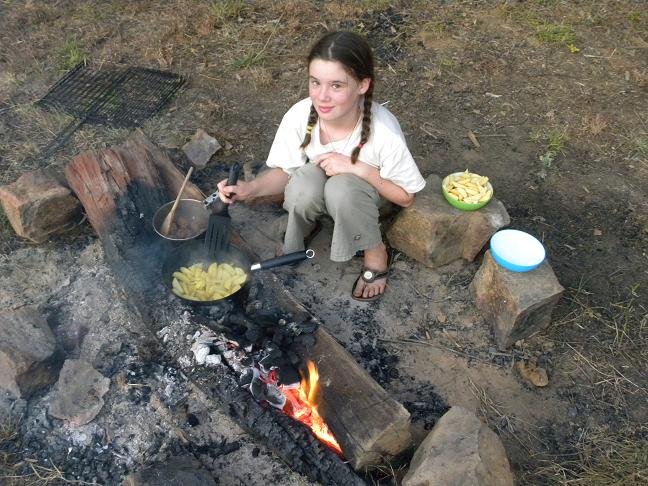
Sandy cooking chapati
Have a crayfish!
Paola during the visit of the saw mill, M'phingwe Camp near the Zambizi, Mozambique
Modern Africa..women talking on cellphone. Northern Mozambique

Wednesday, July 20, 2011

Broken Bearings, Beaches and Biting July 2011

Baobab Country south of Dodoma

Broken Bearings, Beaches and Biting July 2011

Travelling in Africa is a roller coaster of pleasure and pain and is definitely not always a bed of roses! Dust, rough roads, filth, beggars and more recently car woes keep the African experience in perspective.

What started as a seemingly benign creaking under Margot’s seat, became more sinister and louder and developed into an ominous, grinding crunch and, as we pulled up at Rungwe Avocado Farm, it was apparent that we were not to go much further. With the help of Rob Clowes, ex Zimbo farmer, and then some local mechanics, we removed the wheel and hub and examined the hand break pads only to discover that the problem was more dire and that the wheel bearing was shot. A futile search throughout Tanzania and even further afield in East Africa was fruitless so that our only option was to import a new bearing form abroad. Thankfully my brother Ian was able to locate one in Dubai and exported it to us express via DHL. Incredibly it took less than 18 hours to get to Tanzania and then, thanks to spectacular incompetence from DHL Tanzania, took nearly a week to arrive with us in Mbeya (a day’s drive away!). The wait was agonizingly frustrating as we saw nearly two weeks of our precious remaining time whittle away. However, the time was not wasted and our experience there was enormously positive thanks to the kindness of firstly Rob and Petra Clowes and their family who kindly allowed us to squat on their wonderful avocado and coffee farm on the slopes of Mont Rungwe and to John, Kay and Asha Rowse, who not only accommodated us in Mbeya, but were also hugely helpful and were great company. Rob not only spent ages trying to locate parts for us but also kept us well stocked with avocados and excellent home-grown coffee. Thank you all so much.

Other than that, we had a great time at the farm learning about coffee and avocado production and did a fabulous 8 hour walk up the 3000m high extinct volcano Mt Rungwe which passes through spectacular and dense rain forest and then bamboo and sub alpine near the summit. Margot and Zara managed to do some good schooling. We also continued with our theme of educational visits by visiting the Rungwe tea processing plant. A fascinating process involving the withering of the moist tea leaves followed by 4 cuttings, two fermentation processes, drying and finally sieving, grading and then packing. We learnt that the only difference between green and black tea is the fermentation and we concluded with a very purist tea tasting in their R&D laboratory. I also had the opportunity to fly to a rural clinic and to experience first hand the amazing work being done by American missionaries in completely remote Tanzania (www.guilzon.com). While in Mbeya, I also visited the Mbeya Medical Research Programme which is doing amazing research on HIV and TB amongst others. During this time too, we spent a couple of days down at Lake Nyasa (Lake Malawi) at Matema Beach basking in the sun and reveling in the warm water of the lake. Otherwise, in Tanzania, we had a wonderful few nights camping on the side of the lake of the tea estate of Peter and Co Rowland. It was a blissful time of peace and solitude away from tourists and touts where we swam, canoed and relaxed. Thank you so much Peter and Co.

With new wheel bearings in situ, we loaded up, packed our tents and were once again on the road south. We cut our visas fine and exited Tanzania on our final day and were relieved to arrive in Malawi. Our first stop was Karonga, where we learnt about the Malawisorus (www.paleo.net/cmck) and the evolution of mankind and had an excellent lunch of the lake fish Chomba. I visited the London School of Tropical Medicine affiliated Karonga Prevention Study (KPS) and was again intrigued by the depth and extent of their research on HIV, TB and Malaria. We overnighted at Sangilo Lodge campsite which was stunning but marred by Margot’s mauling by the monstrous camp dog. Fortunately her arm injuries were superficial but none-the-less traumatic. We then took the Sani-Pass like climb up to Livingstonia where we spent an excellent night at the Lukwe Eco Camp. Una Brownlie is a midwife, who has been at the Livingstonia Mission Hospital for many years, took me on a very interesting tour of the hospital and I was impressed with the excellent facilities. The dusty road off the plateau took us back down to the lake and the marvelous Makuzi lodge camping. Once again, we reveled in the tranquil warm water and basked on the shimmering white beaches. A quick swing through Lilongwe the capital was disappointing because our long awaited parcel from Michelle & Jackson “poste-restante” was not there. Also diesel was hard to come by in Malawi and we had to watch our route.

We head for the snorkeling paradise of Cape Maclear, at the bottom of the lake, today and then head due east to Pemba Mozambique and the Indian Ocean. Then our last leg down the coast back to Zululand.


Mealies cooking

Beating the Millet near Iringa

Margot cooking us dinner


Magnificent ladybird-like bug

Driving through tea plantation. Last drive before car breakdown on the way up to Rungwe Avo Farm


Zara during the visit of tea factory Tekuyu, Tanzania. Cutting process.

Grading of tea

Tea testing


Walking through Rungwe Avocado farm with Mont Rungwe in the background

Bus trip to Matema Beach, Lake Nyasa (Malawi), Tanzania

Mancala game, Matema Beach

Matema Beach, Lake Nyasa (Malawi), Tanzania

Pots, Matema Beach

Car on 3 wheels. Mechanics reassembling bearings at Rungwe Avo Farm

Lake Malawi, Malawi at last

Views of Lake Malawi on the way up to Livingstonia, Malawi


#20 something hair pin bends on the way up to Livingstonia

Sleepy Zara in the morning sun

Women cooking Ugali (mealie meal porridge) at Livingstonia Hospital

Livingstonia Hospital, Malawi

Rubber Tree south of Mazuzu, Malawi

Kids on the beach near Makuzi camp and lodge, Malawi

Saturday, June 25, 2011

Scorpion sting, Bike Safari and More dust


Baobab at Sunset

Scorpion sting, Bike Safari and More dust
Today I was stung by a scorpion. We had arrived late at our campsite and I was erecting the tent and pulling out sleeping bags in the dark while Ilda prepared supper. At first I thought that it was a bee sting but the rapid spread and intensity of the pain was staggering. Further exploration of the bags revealed the culprit and to my horror I noted that he was of the “small pincers bad sting” variety and by now I was beginning to feel slightly unwell! My pulse rate was picking up, the knife-like pain had reached up to my axilla and I had this vague sensation of impending doom! While Ilda rushed off to check with our hosts what medical facilities were available and, perhaps antivenom (none!), I did what any ER doc would do, got prepared for the worst. I really was not sure as to what to expect so figured that I might as well prepare for the worst. Besides, we had been carting the medical kit around for months, so we might as well use it. I threw down a couple of antihistamines, some Panado and Codeine and, seeing as I had a beer in my hand, partook of this and used the cool bottle to locally ease the pain. With Margot’s help, I managed to insert an iv cannula into my right cubital fossa and taped this in place. Then we drew up adrenaline and had iv promethazine and hydrocortisone ready too. Margot recorded what I had taken and I instructed her and Ilda what, and how to give, any further drugs I may need. Fellow campers came with their tales of woe which did little to ease my anxiety and by now I had developed a reasonable tremor and had finished my beer. More campers arrived with Vodka which seemed to work wonders, not locally but orally. After an hour or so my symptoms abated and with vodka and Cinnarazine on board enjoyed a blissful and pain free nights sleep.

After our fleecing in the Crater we decided to lie low and set up at Paradise camp not far from the eastern shores of a very low Lake Manyara. We had briefly and unknowingly, visited Tarengere national park in a vain effort to find camping and I have this amusing memory of Ilda and the girls riding on the back of the Pathfinder yelling about being attacked by Tsetse flies while I drove virtually headlong into a large herd of elephant, prompting a rapid retreat! Paradise Camp was quiet and relaxing and we achieved a bit of school. We went on a fascinating visit to the huts of the local Manyate tribe and were gob smacked at how primitive they were. Low basic mud huts, no water or latrine and apathetic, filthy children literally swarming with flies who kicked around in the dirt, dust and litter. And yet amongst this we found a loving mother, immaculate and suckling her 3 month old son who, in the tiny confines of her clean hut, offered us pap with milk butter and valuable fresh milk to drink. She demonstrated her exquisite marriage skirt made from softened calf hide and intricate beadwork and tolerated our simplistic ‘wazungu’ questions with humour. We left small gifts and a little money and bade farewell just as her herdsman husband returned with his scruffy herd, followed by a pall of dust and the setting sun.

Our host managed to scrounge a couple of Masai bicycles for the day and we set off with the girls’ pillion. The going was tough with missing pedals, wonky seats, soft, bald tyres and sandy and thorny tracks. We rode in the vague direction of the Lake and enjoyed lots of Zebra, Gnu and Impala before stopping off at a local Lodge to witness how the other half travel. Ice cold face flannels, iced tea and a swimming pool were somehow appealing.

I’m not quite sure what made us head due south and avoid Dar-a-Salaam and the exotic island of Zanzibar, but I think it was a combination of being fed up with the give-me-de-money frantic tourist hotspots, a knowledge that we will enjoy beaches in Mozambique, visas with only a few more days on them and a road on the map that looked ok! The roller-blade smooth tarmac soon ended, not far beyond the turnoff to the Crater and we were back on red, talcum dusty tracks that rattled our teeth and shook the door rubbers from their mountings. I cursed for about 200km but the ordeal was partially sweetened by dramatic countryside and views, virtual isolation and a superb lunch which included roasted minute birds, which were either quail or chicks, and a delicious stew of ox tongue, we think, and Ugali (pap). Dodoma is in the plum centre of Tanzania and we loved the place. A strong Islamic influence with turrets everywhere (and a call to prayer at 04.00!), bustling little street-side shops, good food, an immaculate hotel and a relative lack of traffic and tourists made for a great stop. The reason for the isolation became apparent the next morning as we bucked onto the rough dirt track heading south, even before the city limits had been reached. We were in Baobab country and saw kopjes completely covered in them and mammoth trees along the roadside. What initially appeared to be some primitive pagan ritual turned out to be locals thrashing their sorghum and we enthusiastically got involved beating along with them, with long clubs, to the rhythm of their beautiful voices. Our thirst was quenched with a taste of Sorghum beer which wasn’t too bad and we bade farewell to shouts of encouragement.

The dirt ended, the dust settled, we washed, we ate…then I got stung. Our days in Tanzania are numbered and we look excitedly at the map of Malawi and Mozambique beyond.


Margot reading


Zara washing dishes...5 Rands worth!
Child at window

Flies on child

Sandy and Zara on Masai bike- Lake Manyara

Road work on the way to Dodoma...more dust!

Baobab

Road south between Ngorogoro and Dodoma


Ngorogoro Crater, Roses and Ice-Cream


Sheep at sunset


Kitengela Glass African Map

The fluffy white cloud cascading over the crater rim above us provides a magical frame for our early morning game drive in the Ngorongoro Crater in Tanzania. We have dropped a few hundred metres from our chilly crater rim campsite and in the evolving dawn have descended into this extraordinary spectacle. At 19.2 km in diameter, 610m deep and 304 sq km in area it is the largest unflooded and unbroken caldera in the world. It is said to support a resident wildlife population of up to 25 000 animals and as the warm African sun pours forth her golden rays we are welcomed by huge herds of zebra and wildebeest. Our early start has been worthwhile and we arrive before the constant procession of commercial tour trucks and for a couple of hours enjoy this paradise in relative isolation. A lone cheetah on the prowl, an ancient tuskless elephant, belligerent buffalo and lethargic lions keep us occupied during the dawn until we find a peaceful little lake for breakfast where pods of hippo wallow and inquisitive guineafowl peer at our cornflakes. By now the commercial operators have arrived and a mammoth procession of brown or green Landcruisers stop and spew forth their cargo of khaki clad clients, lipsticked and lensed to the max. We are surprised to find that we are the only independent visitors to the park and attract inquisitive stares and questions from amicable Americans…”Say, is that really your own car….you don’t have to have a guide?.....did you really drive all the way from South Africa?” The decision to come into the crater was not easy; at US$420 (R3000) for 24 hours it has been a massive blow to our budget and of dubious value. The campsite is $5 basic where we tussle with cold showers and leaking pipes and a cooking area swamped by commercial operators and their punters. Our other option would have been to take a 3-day commercial trip to the crater and Serengeti, but that would have set us back about US$1500 all up! Such is the scene here now and although I am glad we have had the privilege of experiencing this I wonder whether the intimacy and price of our KZN parks is more appealing.

Back in Kenya a lucky break gets us a visit to one of the massive flower farms providing flowers to the world. Margot’s diary provides a good report.

“Last Friday we visited a flower company near Lake Naivasha called Oserian Flowers. Kenya is famous for its green houses and at Oserian they use them too.. A friendly man called Roddy Benjamin took us for a visit of the factory. Roddy is the man in charge of the rose department. Oserian is a big flower company that exports their flowers to Europe, USA and even Australia! Roddy first took us to see the packaging and storing place. “After the roses have been picked”, he explained “we store them in a fridge at 4 degrees centigrade to keep the roses from opening.” We went into the fridge and it was freezing cold! “The farm was established in 1974”, he shouted over the buzzing noise of the generators, “So it is quite new!” “Clank” the door of the fridge slammed shut behind us. We went up some stairs into the store room. We all had to put on some colourful pink coats. Then we went down to the place where they package the roses. “We have about 4.5 thousand workers at Oserian and 600 acres of land which makes us the biggest single standing flower farm in the world.” I was trying to get all that he said down on paper but didn’t get everything. These are some of the facts I got;
Oserain farmers harvest the good roses twice a day
The green houses are 4 acres in size
Most of the workers work 7and half hours per day
They pick about 1million stems per day
The factory sells the roses to supermarkets for about 10 eurocents per rose or 1 Euro for 10 roses, but the supermarkets sell them for 40-45% mark-up.
The roses have four days between Oserian and their destination and have one week shelf-life in the supermarket.
After that we went to see the baby roses growing. They use 70% hydroponics to grow the roses in pumice which they mine on site. Oserian’s carbon footprint is 12% that of Holland flower producers. I loved the smell of the purple roses because they smelt like Turkish Delight. The thing that amazed me at Oserian is that they use tinsy-winsy spiders that eat the bad bugs on the roses!”

The next day we climb extinct volcano Mt Longonot with stunning views of the Rift Valley and Lake Naivasha. At over 2500m elevation, the 500m climb to the summit is hard work but we revel at the exertion and the girls don’t even bat an eyelid at our suggestion to circumnavigate the crater which takes a further 3 hours! The crater floor has thick bush and we see a few Zebra and bush buck. Sadly the path is badly littered and heavily eroded and I think that these Kenyans need a couple of New Zealand rangers over here to show them how to look after a national park!

In Nairobi we are spoilt again this time by Sylvia Cassini. Sylvia lives in a beautiful 1930’s Cotswold stone house in Embassy-chic Nairobi. We met her and her two young children on Safari in Botswana and she had invited us to stay. She is of Italian descent, Kenyan born and bred and Oxford alumni and has worked at everything from furniture design to cartography to project management. She calls a spade a spade! We feast on her delicious Italian cooking and with rare tender fillet washed down with a chilled Sauvignon, we are in heaven! We use the time to restock, do some school and even wander the shops where we treat ourselves to Italian ice-cream. I get the Pathfinder serviced and discover that I didn’t really need to cart all the spares up from RSA, they have them here, and the Nissan dealer makes ours in PMB look like a baby! The price is steep but then I figure I’m paying for reassurance too! The drive home in Nairobi rush hour traffic turns my beard grey. Gridlock by mini-bus is a scary concept and how I get home unscathed I’m not sure but breathe deep sighs of relief. Thank God for Garmin and “Tracks for Africa”. We take the girls to the David Sheldrick elephant orphanage and are entertained by habituated little ellies that are bottle fed specific soya milk formula and have carers that live with them 24/7, even sleeping on a bunk in their stables! Maxwell is the blind habituated Black rhino who has also been hand reared after his mother abandoned him. The hope is to reintroduce most of these animals back into the wild.

From there we drive on a rough road to Kitengela glass where we see how glass is blown and marvel at the red hot furnaces fuelled by recycled engine oil and melting recycled bottles. The place is eccentric and quirky with all manner of colourful glass creations and contraptions scattered about and we are fascinated by the ‘inventor-artist’ Toombe as he tinkers with an old wooden briefcase that is being converted, with a myriad of recycled gadgets, into a magical case with a secret opener known only to the owner!

It takes us two hours to escape Nairobi and we make a mental note to return only when the Chinese roadworks are completed. The ‘ring-road’ is no more than a congested parking lot. The Tanzanian frontier beckons and we are welcomed by views of Africa’s highest mountain, Mt Kilimanjaro.


Total Solar Eclipse


Road towards Nogorogoro Crater

Lake Manyara

Scene down Ngorogoro Crater

Looking down Ngorogoro Crater


Koraan